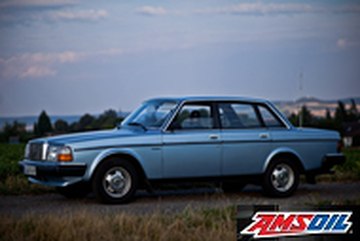
Maintaining Lubrication Integrity for the 1981 Volvo GL 2.1L
Proper engine care for a vehicle of this era requires a focus on consistent monitoring and proactive inspection. For owners of a 1981 Volvo GL equipped with the 2.1L engine, maintaining the lubrication system is a fundamental aspect of long-term mechanical health. Because older engines rely on precise tolerances and consistent fluid properties to operate efficiently, staying attentive to how the engine handles its oil can prevent many common issues associated with aging machinery.Monitoring Fluid Condition and Consumption
One of the most effective ways to gauge the health of your 1981 Volvo GL is to observe any changes in how the engine utilizes its lubricant. While all internal combustion engines experience some level of fluid movement, significant changes should be investigated. If you notice a sudden increase in the frequency of top-offs required between service intervals, it may indicate that the engine is consuming more oil than usual. Beyond just quantity, the physical appearance of the oil itself provides valuable information. When checking the dipstick, look for signs of extreme discoloration or an unusual texture. While oil naturally darkens over time due to use, a very thick or gritty consistency can be associated with extended service intervals or internal contamination. Furthermore, if you observe any milky or cloudy appearance in the lubricant, this warrants immediate investigation, as it can indicate that other fluids have entered the lubrication system.Observing Potential Warning Signs
Maintaining an older vehicle involves being an active observer of its operating characteristics. Several symptoms can serve as early indicators that the lubrication system requires attention. For instance, if you notice any visible fluid seepage or pooling around the engine block or under the vehicle during stationary periods, it is important to identify the source. Such signs may indicate that gaskets or seals are beginning to show age-related wear. Mechanical sounds also play a critical role in diagnosis. While some noise is expected in older engines, any new or rhythmic tapping or knocking sounds can be associated with changes in lubrication effectiveness. It is vital to remember that these symptoms can have multiple causes; therefore, an unusual sound or a visible leak should not be used to definitively name a failed component without a professional inspection. Instead, treat these observations as prompts to perform a more thorough check of the engine's condition and fluid levels.Prioritizing Maintenance Based on Current Condition
For a 1981 Volvo GL, maintenance decisions are often most effective when they are based on the actual, current state of the vehicle rather than just its age or mileage. If you have recently acquired the vehicle and do not have access to a comprehensive service history, establishing a maintenance baseline is a logical first step. This involves performing a thorough inspection of all fluids, filters, and visible engine components to understand the starting point of the vehicle's current condition. When managing an older engine, it is helpful to distinguish between preventive maintenance and reactive repairs. Addressing active leaks or investigating unusual warning signs should take priority over general cosmetic upkeep. By reviewing any available repair records, you can identify patterns in the vehicle's history, such as how often certain components have been serviced or if specific parts have been replaced recently. This historical context allows for a more strategic approach to maintenance, helping you focus on areas that are most critical to the engine's continued operation.Age-Related Inspection Priorities
As vehicles age, certain materials and components naturally undergo changes. For the 1981 Volvo GL, routine inspections should include a careful look at various rubber and composite parts. If equipped, inspect accessible drive belts for signs of cracking, glazing, or fraying. Similarly, if present, any visible hoses should be checked for softness, brittleness, or swelling, as these can affect the overall reliability of the engine's supporting systems. Electrical connections and wiring harnesses also benefit from periodic visual checks. Over several decades, insulation can become brittle or connections can loosen due to vibration and thermal cycling. Ensuring that electrical connectors are clean and securely seated can prevent intermittent issues. Additionally, inspecting the condition of the air filtration system is essential; a clean air intake ensures that the engine is not drawing in excessive debris, which helps maintain the purity of the internal environment.Effective Record Keeping for Long-Term Ownership
A well-documented service history is one of the most valuable tools for any owner of a classic or older vehicle. Keeping detailed records of every oil change, filter replacement, and mechanical repair provides a clear picture of the 2.1L engine's lifecycle. These records are not only useful for your own maintenance planning but also serve as evidence of consistent care if you ever decide to pass the vehicle on to another enthusiast. When recording service, try to include more than just the date and mileage. Noting the specific products used—such as the type of lubricant or the brand of filter—and any observations made during the service (such as "slight seepage noted at the rear") can be incredibly helpful when troubleshooting future issues. This level of detail helps you identify if a particular component is nearing the end of its service life or if a specific maintenance approach is yielding better results for your engine.Practical Guidance for Buying Engine Oil for the 1981 Volvo GL 2.1L
When it is time to replenish your lubricant, the most important step is to ensure that the product you select matches the specific requirements of your application. Rather than relying on general assumptions about what an older engine might need, always refer to the vehicle-specific oil viscosity and application information already displayed on this webpage. As you shop for products, consider the following practical tips:- Match Application Data: Always prioritize the viscosity and specifications provided in the technical data above to ensure compatibility with your 2.1L engine.
- Evaluate Formulations: Depending on your specific needs and the current condition of your engine, you may choose between conventional, synthetic blend, or full synthetic oils. Some high-mileage oil formulations also contain additives intended for use in aging engines, including seal-conditioning additives.
- Verify Labeling: Before completing a purchase, double-check the product label to confirm it meets the necessary quality standards and matches the information provided for your Volvo GL.
- Avoid Assumptions: Do not assume that a modern oil grade is automatically appropriate simply because it is newer; always verify it against the application-specific details listed here.